invertopia
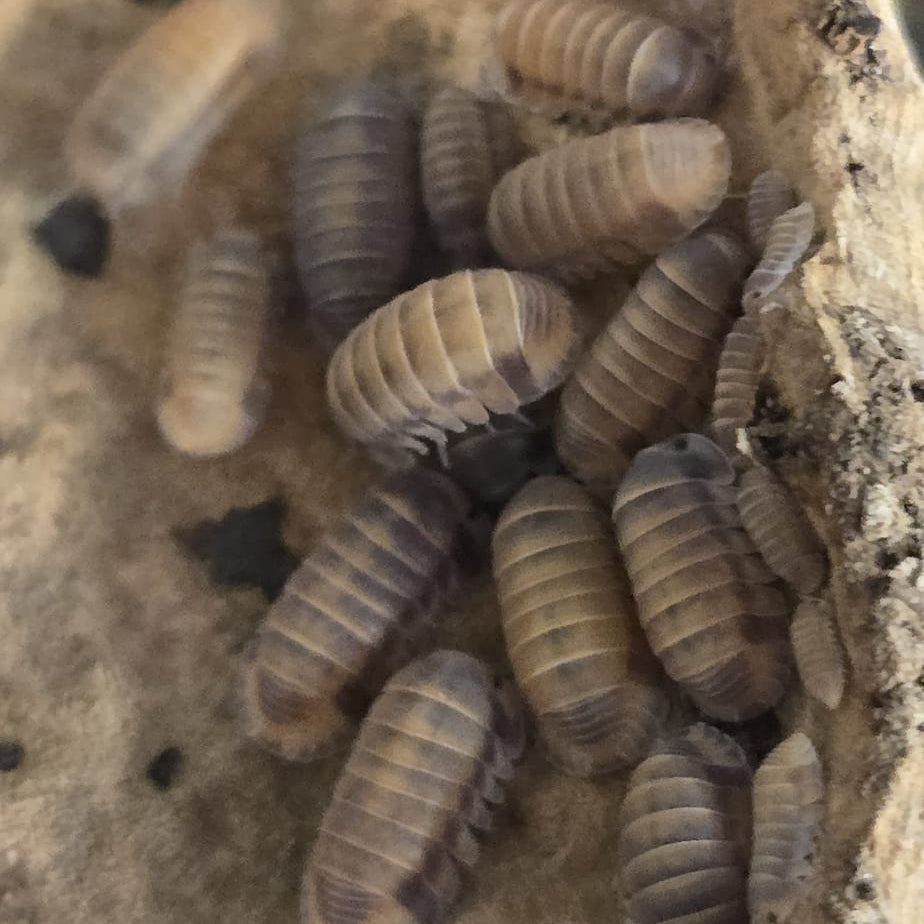
Red Pak Chong Isopods (Cubaris sp. “Red Pak Chong”)
Red Pak Chong Isopods (Cubaris sp. “Red Pak Chong”)
Couldn't load pickup availability
Care Info
- Origin: Thailand (Pak Chong District)
- Temperature: 22–26°C
- Humidity: ~75%
- Size: 12–15 mm
- Difficulty: Medium
- Rarity: Rare
Product Description (Fancy… But Still Slightly Chaotic)
Meet the Red Pak Chong Isopod—the perfect middle ground between “easy beginner pod” and “why did I spend £200 on tiny ducks.”
These stunning little crustaceans bring deep red tones, rusty highlights, and subtle white accents into your enclosure—basically the isopod version of autumn leaves with attitude.
They’re part of the same lineage as some seriously high-end Cubaris species, but without quite as much stress. Think of them as your gateway into fancy isopods.
Why They’re Worth the Hype
- Rich red colouration (actually noticeable, not “maybe slightly beige”)
- Rare, but not impossible to keep alive
- Chunky, solid Cubaris shape
- Roll into a ball = instant defence mode
- Great stepping stone before species like Rubber Duckies
Personality & Behaviour (Confident… For a Cubaris)
These aren’t as shy as some cave-dwelling Cubaris.
You’ll get:
- Night-time exploring
- Occasional daytime appearances (especially at feeding time)
- Social clustering under hides
They’re still not “in your face” like Dairy Cows—but they’re not disappearing forever either.
Housing (Tropical Cave Vibes)
They come from humid limestone environments, so your setup needs to reflect that:
- Deep, moisture-retaining substrate (they burrow)
- Humidity around 70–80%
- Good ventilation—but not enough to dry things out
- Moss, cork bark, and leaf litter everywhere
Think: warm, damp, slightly mysterious forest floor
Feeding (They Like the Good Stuff)
Main diet:
- Leaf litter (always available)
- Decaying wood
Extras:
- Veg (carrot, sweet potato, greens)
- Protein (fish food, dried shrimp—very important)
💡 Tip: Protein = better colour + better breeding
So yes, they’re basically on a high-protein diet plan.
Calcium = Non-Negotiable
Like all Cubaris from limestone habitats, they need calcium constantly:
- Cuttlebone
- Crushed eggshell
- Limestone powder
No calcium = bad moults = unhappy isopods.
Breeding (Respectable, Not Ridiculous)
They won’t explode in numbers—but they won’t leave you waiting forever either.
Expect:
- Small to medium broods (6–12 babies)
- Regular reproduction once settled
They’re a nice balance between:
👉 “nothing is happening”
👉 and “why are there 500 of them”
Difficulty (The Sweet Spot)
These are:
✔ More demanding than beginner species
✔ Less stressful than high-end Cubaris
Perfect for:
- Intermediate keepers
- People moving up from Porcellio or Armadillidium
- Anyone wanting something rare without constant anxiety
Is This Species Right for You?
✔ You’ve kept isopods before
✔ You want something colourful and rare
✔ You’re ready for slightly more precise care
✖ You’re brand new to isopods
✖ You want zero-effort care
✖ You forget about humidity (they won’t forgive you)
Final Thoughts
Red Pak Chong isopods are that perfect “next step” species.
They look incredible, behave well, and teach you how to handle more advanced Cubaris—without immediately punishing mistakes.
Basically:
fancy enough to impress, forgiving enough to enjoy.
Share