invertopia
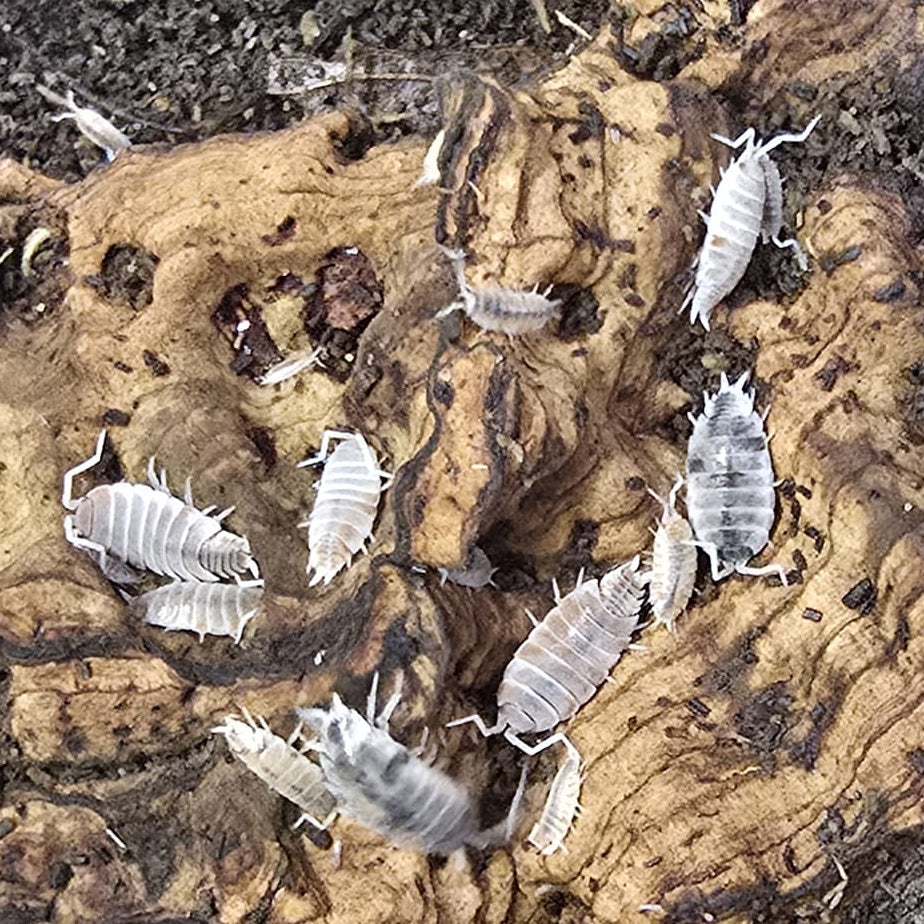
powder orange dalmation (Porcellionides Pruinosus)
powder orange dalmation (Porcellionides Pruinosus)
Couldn't load pickup availability
Powder Orange Dalmatian Isopods
Origin: Mediterranean, Southern Europe (captive-bred morph)
Temperature: 18–29 °C
Humidity: 50–70 % (moderate)
Adult Size: ~1–1.5 cm
Difficulty: Very Easy (★☆☆☆☆ – hardy and adaptable)
Rarity: Very Common
Scientific Name: Porcellionides pruinosus
Description:
A pied morph of the hardy Powder line, featuring warm orange spots and dalmatian-style patterning on a lighter base colour. Combines visual appeal with the legendary hardiness of P. pruinosus, making them ideal for beginners, bioactive setups, or those wanting fast-breeding, low-maintenance isopods.
Appearance & Behaviour:
- Orange spotting/blotching over pale cream/off-white base
- Powdery or velvety exoskeleton texture
- Small to medium size; soft-bodied, cannot roll into a ball
- Extremely fast and active, more diurnal than many isopods
- Surface-dwelling, social, non-aggressive
- Juveniles pale, developing orange patterning with successive moults
Habitat & Care:
- Enclosure: 3–6 L starter container or larger for established colonies
- Substrate: Moisture-retentive mix (peat or coir, topsoil, sphagnum, leaf litter, decaying wood); depth ~5–7 cm
- Moisture: Gradient preferred (moist area for hydration, drier zones for self-regulation)
- Temperature: 18–29 °C; room temperature ideal
- Ventilation: Moderate airflow via small holes
- Hides: Cork bark, lotus pods, leaf litter
- Lighting: Low; active during day and night
Diet & Nutrition:
- Primary: Hardwood leaf litter, decaying softwood, rotting bark
- Supplementary: Vegetables (carrot, courgette, sweet potato), occasional fruit, fish flakes/shrimp for protein
- Calcium: Cuttlebone, limestone, crushed eggshells, oyster shell, calcium powder
- Feeding: Remove uneaten fresh foods within 24–48 h; permanent leaf litter and decaying wood available
Breeding:
- Extremely prolific; rapid reproduction once established
- Large broods; juveniles mature quickly
- Pattern develops with age; offspring generally retain Orange Dalmatian morph
- Will interbreed with other P. pruinosus morphs if housed together
Bioactive Use:
- Excellent cleanup crew for bioactive setups, terrariums, and vivariums
- Surface-active, fast, and voracious feeders
- Adds visual interest with orange spotting
- Suitable for temperate or tropical enclosures
Care Level: Very Easy; highly adaptable, hardy, and fast-breeding
Value: Ideal for beginners or bioactive enthusiasts; combines beauty, rapid colony growth, and forgiving care requirements
Share