1
/
of
1
invertopia
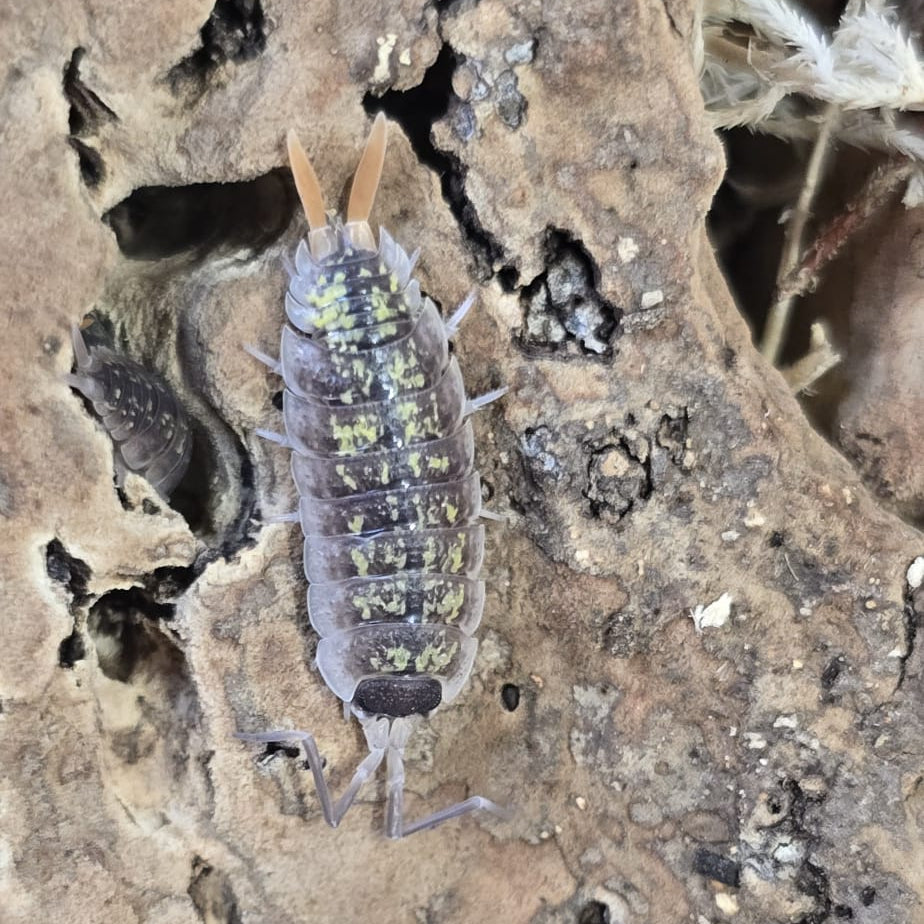
Porcellio sp red uropods "orange stick"
Porcellio sp red uropods "orange stick"
Regular price
£27.50
Regular price
Sale price
£27.50
Taxes included.
Shipping calculated at checkout.
Quantity
Couldn't load pickup availability
Porcellio sp. “Red Uropods Orange Stick”
Origin: Captive-bred (not found in the wild)
Temperature: 18–26 °C
Humidity: 60–80 %
Adult Size: 1.5–2 cm
Difficulty: Easy
Rarity: Uncommon
Product Description:
Porcellio sp. “Red Uropods Orange Stick” is a visually striking morph of Porcellio, featuring bright red uropods against a warm orange body. Its vibrant coloration and active behaviour make it a captivating addition to bioactive vivariums or standalone isopod cultures.
Appearance & Physical Traits:
- Medium-sized Porcellio species (1.5–2 cm)
- Orange-tinted exoskeleton with bright red tail segments (uropods)
- Active during day and night, providing great visibility in the enclosure
- Distinctive, colorful, and highly sought-after morph in hobby collections
Behavior:
- Social and thrives in groups
- Hardy and adaptable to various substrates and enclosure setups
- Moderate breeders, establishing colonies well in captivity
- Active, curious, and engaging, often foraging openly
Diet & Feeding:
- Primary foods: decomposed hardwood leaves (oak, beech, maple), vegetable scraps (carrot, courgette, sweet potato)
- Protein: fish flakes, dried shrimp, or specialized isopod foods once weekly
- Calcium: cuttlebone, crushed eggshells, or calcium powder, provided consistently
Breeding:
- Sexual maturity reached at 6–8 months
- Females carry eggs in a marsupium for 3–4 weeks before releasing 20–40 young
- Full adult coloration develops after 4–5 months and several moults
- Stable temperature (22–24 °C) and adequate protein enhance breeding success
Habitat & Care:
- Substrate:
- 40 % decomposed hardwood leaves
- 30 % rotting wood
- 20 % organic compost
- 10 % sphagnum moss for moisture retention
- Depth: 5–7 cm for burrowing behaviour
- Moisture gradient: one side slightly damper than the other
- Hides: cork bark, seed pods, leaf litter
- Ventilation: adequate air holes to prevent stagnation while maintaining humidity
- Performs well in bioactive setups with tropical amphibians and reptiles
Value:
This morph combines visual appeal with manageable care requirements, making it excellent for:
- Display cultures and collection diversity
- Bioactive cleanup crews in terrariums
- Keepers looking for hardy, colorful Porcellio with moderate breeding rates
Share