1
/
of
1
invertopia
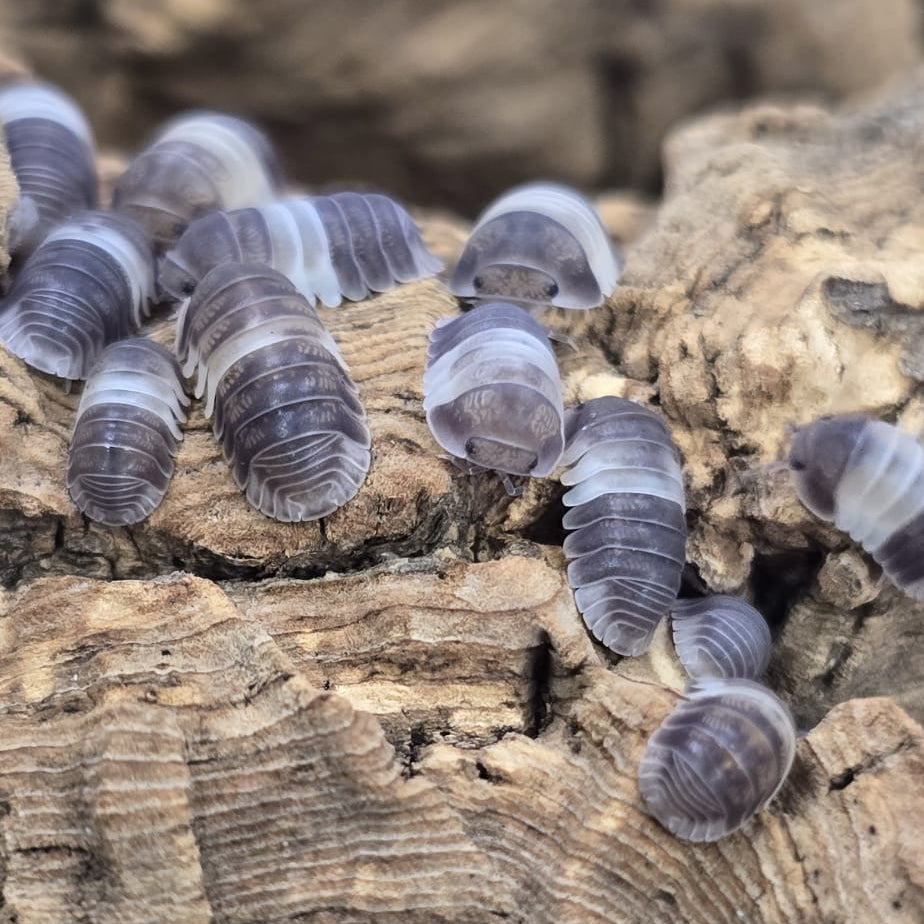
“Panda King” Cubaris sp.
“Panda King” Cubaris sp.
Regular price
£10.00
Regular price
Sale price
£10.00
Taxes included.
Shipping calculated at checkout.
Quantity
Couldn't load pickup availability
Cubaris sp. “Panda King”
Origin: Vietnam (limestone caves, central & northern regions)
Temperature: 21–27 °C
Humidity: 70–80 %
Adult Size: 10–15 mm
Difficulty: Easy
Rarity: Common
Description:
Cubaris sp. “Panda King” is a visually striking black-and-white isopod reminiscent of giant pandas. Native to limestone caves, they are an accessible gateway species to the Cubaris genus, offering manageable care requirements and reliable breeding once established.
Appearance & Behaviour:
- Adults 10–15 mm, compact, rounded body
- Distinct black and white panda-like pattern; pattern varies between individuals
- Soft exoskeleton, conglobating species (can roll into a ball)
- Nocturnal; active mostly at night, shy during daylight
- Peaceful, social; offspring stay near mothers initially
- Active burrowers; prefer deep substrate for security and moisture
Habitat & Care:
- Enclosure: Plastic or glass container with low ventilation to maintain humidity; secure lid essential
- Substrate: Deep (≥10 cm) mix of organic topsoil, sphagnum peat, crushed limestone; layered with hardwood leaf litter and decaying wood
- Moisture: Keep substrate consistently moist but not waterlogged; maintain 70–80 % humidity
- Hides & décor: Cork bark, flat bark, moss patches, hardwood leaves, limestone pieces
- Temperature: 21–27 °C; stable warm conditions support activity and breeding
Diet & Nutrition:
- Primary: Decaying leaf litter (oak, beech, magnolia), decaying wood
- Supplementary: Vegetables (carrot, squash, sweet potato), occasional fruits
- Protein: Fish flakes, dried shrimp, commercial isopod foods
- Calcium: Cuttlefish bone, crushed limestone, eggshells; essential for moulting and colony health
- Feeding: Maintain leaf litter baseline; supplement vegetables and protein regularly; remove uneaten fresh foods within 24–48 h
Breeding:
- Reproduction: Reliable once colonies are established; juveniles emerge ~6 weeks after mating
- Requirements: High humidity (70–80 %), stable temperature (22–26 °C), abundant calcium and protein, deep substrate
- Behaviour: Shy at first, bolder as colonies acclimate; family groupings form around mothers
- Colony growth: Steady and sustainable; patience required during initial establishment
Bioactive Use:
- Best suited for humid tropical vivariums, dart frog setups, or humid reptile terrariums
- Benefits: Effective decomposers, visually attractive, peaceful cohabitants
- Considerations: Require high humidity; soft exoskeleton makes them potential prey in some enclosures
Suitability:
- Excellent for: Keepers new to Cubaris, those wanting attractive colonies at reasonable prices, humid bioactive setups
- Not ideal for: Arid environments, complete beginners with zero isopod experience, or keepers unable to maintain consistent humidity
Care Level: Low to medium; beginner-friendly within Cubaris, but requires stable humidity and minimal disturbance for best results.
Share