invertopia
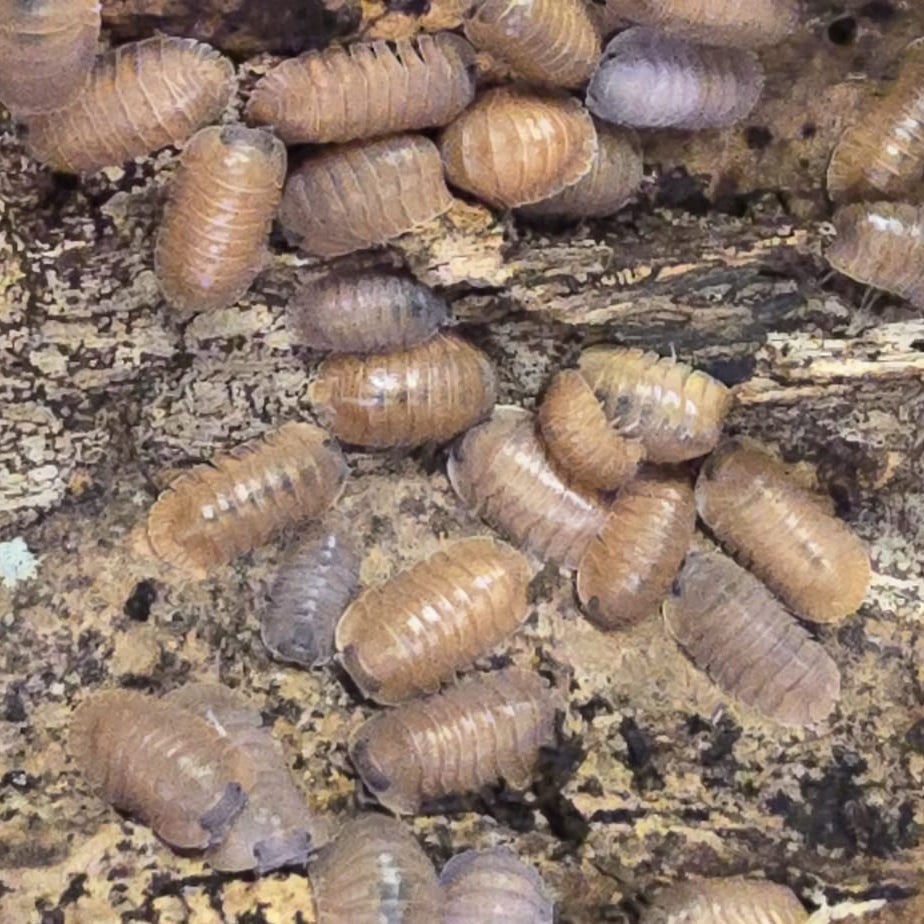
Cubaris sp. “Salmon”
Cubaris sp. “Salmon”
Couldn't load pickup availability
Cubaris sp. “Salmon”
Origin: Martinique, French West Indies (Caribbean)
Temperature: 22–27 °C
Humidity: 70–85 % (high humidity required)
Adult Size: 1.4–1.6 cm
Difficulty: Easy to Medium (★★★☆☆ – tolerant but needs consistent humidity)
Rarity: Common
Lifespan: 2–4 years
Description:
A visually striking Cubaris species named for its deep orange-pink “salmon” coloration. Native to tropical Caribbean rainforests, they are relatively tolerant compared to some Asian Cubaris species, making them accessible for keepers with some experience. Their tropical nature demands high humidity, warmth, and a deep substrate for burrowing.
Appearance & Behaviour:
- Rounded, compact body with smooth carapace
- Thick, robust exoskeleton
- Distinctive salmon-orange/pink colouration consistent across individuals
- Nocturnal: Active mostly during evening/night
- Burrowers: dig into substrate for moisture and security
- Peaceful, social, and forms loose colonies
- Full conglobation (rolls into tight ball when disturbed)
Habitat & Care:
- Enclosure: 6–10 L container; low ventilation to retain humidity
- Substrate: Deep (8–10 cm), pesticide-free topsoil, sphagnum peat moss, crushed limestone or calcium, leaf litter, decaying hardwood, optional charcoal for drainage
- Moisture: Maintain ~75 % of enclosure moist, ~25 % slightly drier
- Temperature: 22–27 °C; avoid drops below 20 °C
- Décor & Hides: Cork bark, coconut shells, lotus pods, egg cartons, moss patches, leaf litter
Diet & Nutrition:
- Detritivores: Decaying leaf litter, rotting hardwood, decaying plant matter, cork bark
- Supplementary: Vegetables (sweet potato, carrot, courgette, potato), occasional fruit, fish flakes, dried shrimp, algae
- Calcium: Cuttlebone, crushed limestone, oyster shell, or calcium powder
- Feeding: Provide amounts they can consume; remove uneaten fresh food in 24–48 h
Breeding:
- Moderate breeders; year-round reproduction under stable conditions
- Females carry eggs in a marsupium; juveniles emerge fully formed
- Brood sizes small to average but consistent
- Breeding requirements: high humidity, stable warmth, adequate calcium and protein, deep substrate, minimal disturbance
Bioactive Use:
- Suited for tropical high-humidity setups: dart frog vivaria, tropical gecko enclosures, planted terrariums
- Effective decomposers; coexist peacefully with other species
- Not suitable for arid or semi-arid enclosures
Care Level: Easy to Medium; forgiving relative to other Cubaris species but requires consistent warmth, high humidity, and deep substrate
Value: Offers excellent visual appeal at reasonable pricing; a good introduction to Cubaris care before attempting more demanding tropical species
Share