1
/
of
1
invertopia
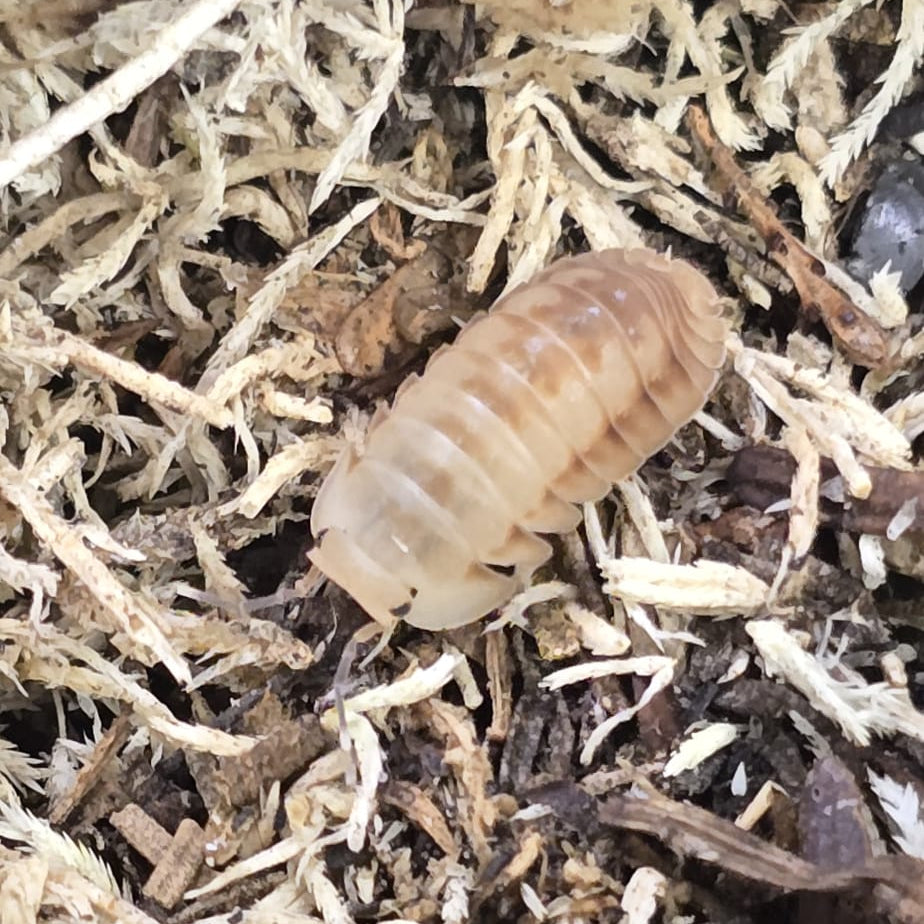
Cubaris Ice Flower Isopods
Cubaris Ice Flower Isopods
Regular price
£60.00
Regular price
Sale price
£60.00
Taxes included.
Shipping calculated at checkout.
Quantity
Couldn't load pickup availability
Cubaris sp. “Ice Flower”
Origin: Asia
Temperature: 18–26 °C (64–79 °F)
Humidity: 70–80 %
Adult Size: ~10 mm
Difficulty: Easy
Rarity: Rare
Description:
Cubaris Ice Flower is a visually stunning isopod with pastel hues ranging from soft whites and creams to subtle blues and greys. Each individual displays unique colour variations, making them a highly sought-after addition to bioactive terrariums. Despite their delicate appearance, they are hardy and adaptable.
Appearance & Behaviour:
- Small, compact size (~1 cm)
- Pastel coloration with high individual variation
- Smooth exoskeleton capable of conglobation (rolling into a ball)
- Nocturnal and social, often clustering together
- Peaceful and non-aggressive
- Moderate breeders once established
Habitat & Care:
- Enclosure: Well-ventilated container; at least 10 cm (4 in) substrate depth for burrowing
- Substrate: Mix of organic soil, coconut coir, sphagnum moss, and small amount of orchid bark; top layer of hardwood leaf litter for shelter and nutrition
- Humidity: 70–80%; maintain moisture gradient with damp and slightly drier zones
- Temperature: 18–26 °C; consistent warmth supports activity and breeding
- Hides & décor: Cork bark, dried leaves, and small wooden pieces provide shelter and enrichment
- Ventilation: Limited; ventilate only ~50 % of enclosure to maintain humid microclimate
- Calcium: Cuttlebone, crushed eggshells, or calcium powder for exoskeleton health
Diet & Nutrition:
- Primary foods: Decaying leaf litter (oak, beech, magnolia), rotting wood, decomposing plant matter
- Supplementary foods: Carrot, sweet potato, leafy greens, dried shrimp, high-quality fish food, specialized isopod diets
- Feeding approach: Goldilocks method—offer only what can be consumed within 24 h to prevent mould
Breeding:
- Moderate breeding once colonies are established
- Females carry eggs until juveniles emerge; juveniles remain near mothers initially
- Stable humidity, temperature, calcium, and protein supply ensure successful reproduction
Bioactive Use:
- Excellent cleanup crew in bioactive setups
- Aerates substrate, recycles nutrients, and breaks down organic matter
- Suitable for tropical vivariums, dart frog enclosures, and humid terrariums
Suitability:
- Recommended for beginners and experienced keepers
- Ideal for those seeking visually striking, rare isopods
- Compatible with other non-predatory, humidity-loving species
Care Level: Easy; hardy when maintained in stable, humid, and sheltered conditions.
Share