invertopia
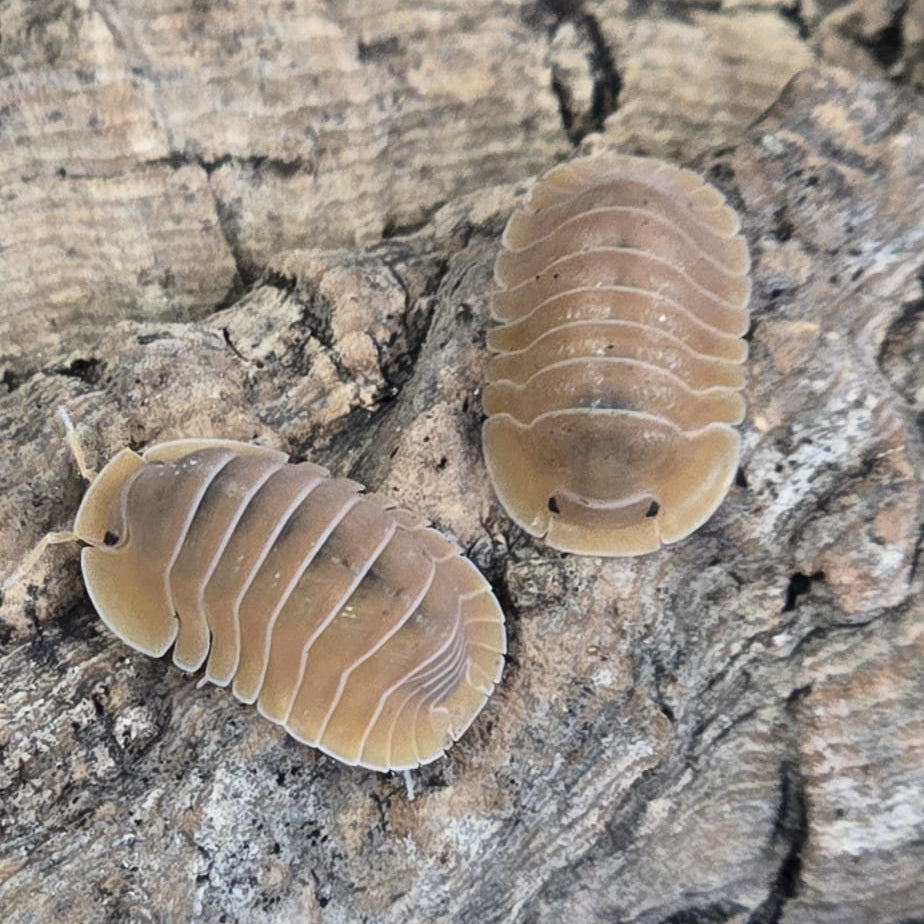
Crabby Cubaris sp
Crabby Cubaris sp
Couldn't load pickup availability
Crabby Isopods (Cubaris sp. "Crabby")
Care Info
Origin: Thailand
Temperature: 22–27°C
Humidity: 70–80%
Adult Size: 15–18 mm
Difficulty: Medium
Rarity: Rare
Product Description
Crabby Isopods are a highly sought-after Cubaris species, originating from the limestone cave systems of Thailand. With their distinctive appearance and elusive nature, they bring both sophistication and intrigue to any bioactive or display enclosure.
They are not the type to demand attention—but that’s exactly the appeal.
Natural Behaviour
In their natural habitat, these isopods inhabit cool, humid limestone caves where conditions are stable and undisturbed.
They are naturally reclusive, highly active beneath the surface, and most visible during evening hours.
Think of them as the quiet professionals of your enclosure—rarely seen, but always contributing.
Diet & Nutrition
As detritivores, Crabby Isopods thrive on a foundation of leaf litter and decaying hardwood.
To maintain optimal health, supplement with root vegetables such as carrot, squash, and sweet potato, along with protein sources like fish flakes or dried shrimp offered in moderation.
Calcium is essential. Limestone, cuttlefish bone, or crushed eggshells should always be available to support proper moulting and exoskeleton development.
Enclosure Setup
To replicate their natural cave environment, provide a deep, moisture-retentive substrate of at least 6 inches. Include cork bark and leaf litter for cover and foraging, and add limestone to supply a natural calcium source.
Sphagnum moss can be used to maintain humidity and create microclimates within the enclosure.
A well-balanced setup should feel stable, structured, and quietly alive—much like their native habitat.
Environmental Conditions
Temperature should be maintained between 22–27°C, with humidity levels kept at 70–80% and good ventilation throughout.
A moisture gradient is recommended, allowing the isopods to regulate their own comfort. Stability is key, as sudden changes are not appreciated.
Breeding & Colony Development
Crabby Isopods reproduce at a measured pace, producing small broods of approximately 5–15 offspring. Females carry their young for around 4–6 weeks before releasing them.
Colony growth is steady rather than rapid, rewarding keepers who value patience over immediacy.
Care Level
Medium difficulty.
Best suited to keepers with some prior experience, or those willing to maintain consistent conditions and a well-prepared enclosure.
They are not demanding—but they do expect standards.
Why Choose Crabby Isopods?
Rare within the hobby, highly functional in bioactive setups, and full of subtle character.
They may not always be visible—but they are always working.
Shipping Information
Dispatched Monday to Thursday via Royal Mail Tracked 24
24/7 live chat is available, although responses may briefly pause while we sleep.
Share